
High winds typically exert extreme mechanical stress on building entryways. Standard door hardware often fails under these severe weather conditions. By choosing the proper equipment and knowing how to adjust door closer mechanisms, you can prevent costly physical damage.
Door panels face significant physical forces during high-wind events. A standard door closer often provides insufficient closing force. This causes severe door spring-back and makes opening difficult. Such stress leads to excessive wear or broken closer arms.
When gusts reach 60 miles per hour, standard components often fail. The wind pressure can easily tear weak doors off their hinges. If you use an inadequate closer, it may suffer severe oil leaks and fractures.
Selecting hardware requires evaluating several specific environmental operating conditions thoroughly. Light duty models cannot withstand violent high winds. Improper selection wastes money and causes repeated hardware malfunctions.
Engineers must specify an adequate closing force for extreme commercial environments. This applied force depends on door width, weight, and wind pressure. A heavy duty door closer is absolutely required for large entryways. Incorrect sizing damages locks and frames.
Hardware strength must exactly match the door’s physical mass. Building codes strictly define performance through specific hardware durability grades. For example, Grade 1 units offer maximum longevity for demanding commercial applications.
The following table outlines the minimum cycle efficiency testing standards:
| Performance Grade | Minimum Required Cycles | Operating Efficiency |
| Grade 1 | 2,000,000 cycles | 60% efficiency |
| Grade 2 | 1,000,000 cycles | 60% efficiency |
| Grade 3 | 500,000 cycles | 50% efficiency |
Doors require enhanced end-of-stroke latching capability in high-wind environments. Hardware must overcome severe wind drafts to secure the mechanical latch. Latching securely prevents doors from blowing open during severe storms. The Americans with Disabilities Act (ADA) guidelines state that interior doors require minimal manual operating force.
Exterior doors must operate with the lowest possible pushing force safely. The ADA mandates specific timing for commercial door closing actions. The standard swing speed must never be faster than five seconds. Latching speed must secure the door without violently slamming it.
Saltwater spray can quickly degrade exposed metals over time. Thus, coastal applications demand specialized anti-corrosion coatings and durable internal sealing. An outdoor door closer needs stainless steel internal mechanical components. Proper sealing stops moisture ingress and prevents internal fluid leaks.
Installation geometry heavily impacts actual physical closing performance and durability. If you install the unit incorrectly, it restricts the full opening arc of the door. Also, people may exert extra pressure that can instantly snap the closer arms. Proper installation angles help distribute wind loads across the frame securely.
Technicians must mount the closer body precisely according to factory templates. Adjusting structural mounting brackets provides better leverage against strong wind gusts. Many failures stem from incorrect initial installation rather than hardware defects. Careful measurement of the templated mounting points can help prevent such failures.
Maintenance teams must understand how to adjust door closer settings. Adjusting the sweep speed valve controls the main sweeping closing motion. The latch speed valve dictates the final few degrees of closing. Correct calibration ensures the door overcomes wind without slamming violently.
End-of-stroke control adjustments are critical for proper lock engagement. Properly calibrated valves prevent premature mechanical wear on the door hinges. This extends hardware lifespan.
Different commercial environments require specific hardware selection approaches and configurations. Examples include:
Service technicians frequently encounter specific patterns of door hardware failure. The most frequent issue remains severe wind and weather damage. High winds break standard components that lack sufficient structural reinforcement. Another major cause of failure is selecting the incorrect closer size.
Maintenance staff also often find light-duty hardware struggling with heavy commercial doors. When strong winds catch an improperly secured door, the force destroys internal seals. This extreme physical pressure creates noticeable hydraulic oil leaks immediately. Once a closer begins leaking fluid, the unit cannot maintain the internal pressure.

In high-wind areas, achieving the ideal door performance requires more than just greater force. The key is balancing closing force with extreme weather resistance. Proper adjustability ensures doors operate safely under shifting, turbulent wind loads.
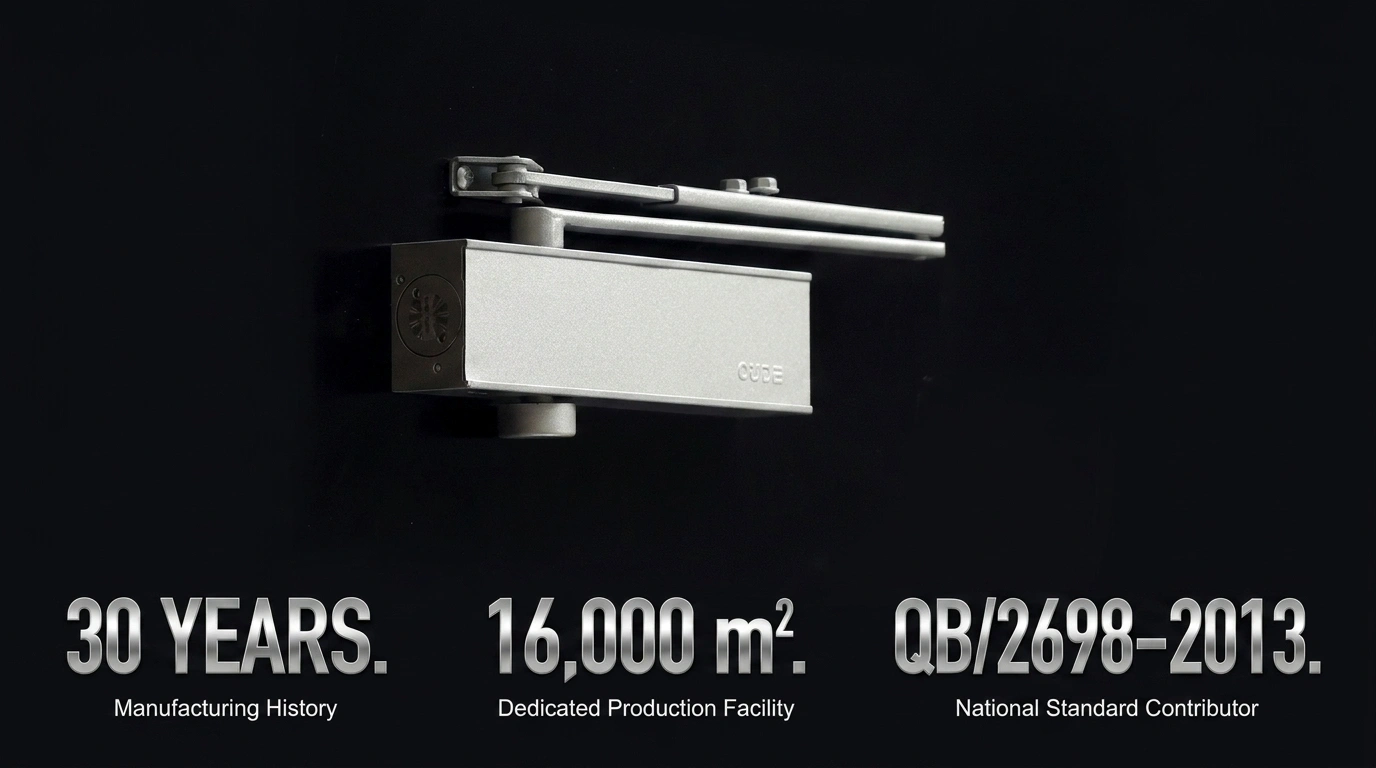
For certified hardware, consider structural products manufactured directly by OUDE. OUDE produces over 70 hardware specifications in its 16,000-square-meter production area. These products meet numerous certifications, such as EN 1154, ANSI A156.4, and UL 10C. Contact OUDE for your factory-direct commercial door hardware needs.



 English
  Spanish
  French
  Arabic
  German
  Portuguese