
Door closers manage the closing speed and physical force. Meanwhile, door coordinators control the closing sequence of double doors. Fire safety compliance often requires using both devices together. Thus, understanding the mechanical difference between these two devices is vital.
Architects and specifiers often struggle with whether to equip double-leaf fire doors with both a door coordinator and a door closer. Incorrect hardware choices lead to failed safety inspections and costly retrofits. Proper hardware integration prevents these expensive project delays.
This guide clarifies the operational differences between these mechanisms. Learn about the specific code requirements and real-world installation scenarios. This way, you will know how building codes mandate each specific device.
Terminology in door hardware often causes unnecessary architectural confusion. These two distinct devices perform entirely separate mechanical functions. By recognizing their specific roles, you can prevent incorrect hardware specification.
A door closer is responsible for a single door leaf’s automatic closure. This device utilizes an internal spring and hydraulic fluid. The spring stores physical energy when a user opens the door.
The hydraulic fluid releases this energy at a controlled rate. This internal action dictates how fast and hard the door shuts. It prevents the panel from slamming into the metal frame.
Proper door closer selection minimizes hardware wear over time. It guarantees that the latch bolt securely enters the strike plate. These mechanical units accommodate distinct architectural requirements across commercial buildings. The ability to adjust closing speed provides operational flexibility.
This hardware focuses on coordinating the closure sequence of two door leaves to prevent them from interfering with each other. Its precise synchronization is necessary for pairs of doors.
A door coordinator features a physical bar or mechanical arm. It holds the active door open until the inactive leaf closes. This ensures the inactive door seats perfectly into the frame first.
Once the inactive leaf secures, the active leaf is released. This way, the doors nest together in the correct sequence. This device helps eliminate human error during emergency evacuation scenarios. It automates the mechanical sequence to guarantee barrier closure every single time.
Fire-rated double doors usually require both hardware pieces simultaneously. If a double door’s astragal covers the meeting gap, sequence matters. The inactive door must seat into the door frame first. The active door then closes securely over the inactive door’s edge.
In this scenario, the door coordinator vs door closer relationship is cooperative. The closers provide the pushing force for both door leaves. The coordinator manages the exact timing of that physical force.
Without a door coordinator, the active door may close first. This causes the inactive door to hit the active one. The doors may remain jammed open, resulting in a potential fire code violation.
Hospitals and schools frequently utilize this specific hardware setup. Strict fire safety regulations mandate their combined usage. The following table summarizes essential regulatory data:
| Standard Code | Technical Hardware Requirement |
| NFPA 80 | Coordinators are a requirement if astragals stop the inactive door from closing first. |
| NFPA 80 | Every fire door requires an active closing device. |
| EN 1158 | This code specifies rules for door closers with built-in coordinator devices. |
Standard double egress doors often function without coordination mechanisms. Separate closers manage each door leaf perfectly well. If you have not analyzed the door edges, do not specify double door coordinator installation yet.
Consider internal double doors lacking overlapping edges or astragals. If both leaves swing and latch independently, the sequence is structurally irrelevant. Each door secures directly into the header or floor strike.
Evaluate the actual hardware application carefully to preserve client budgets. Understanding these structural nuances prevents unnecessary mechanical complexity. It streamlines the architectural specification process for non-fire-rated corridors.
Architects and designers should consider a practical checklist when deciding whether to use both units together. Careful analysis prevents functional failures and compliance violations. The checklist can comprise the following:
Correct door closer installation relies on accurate frame measurements. Ensure the header space accommodates the required coordinator body. Surface-mounted hardware usually requires different operational clearances than concealed hardware.
Always specify hardware tested to recognized industry safety standards. Document all operating conditions clearly in your architectural building plans. Share these technical specifications directly with your chosen hardware manufacturer.

While door closers are responsible for “closing the door,” coordinators handle the “closing sequence.” Whether you need both or not in your facility depends on the door system design and local regulatory requirements. Proper implementation maintains the critical integrity of fire barriers.
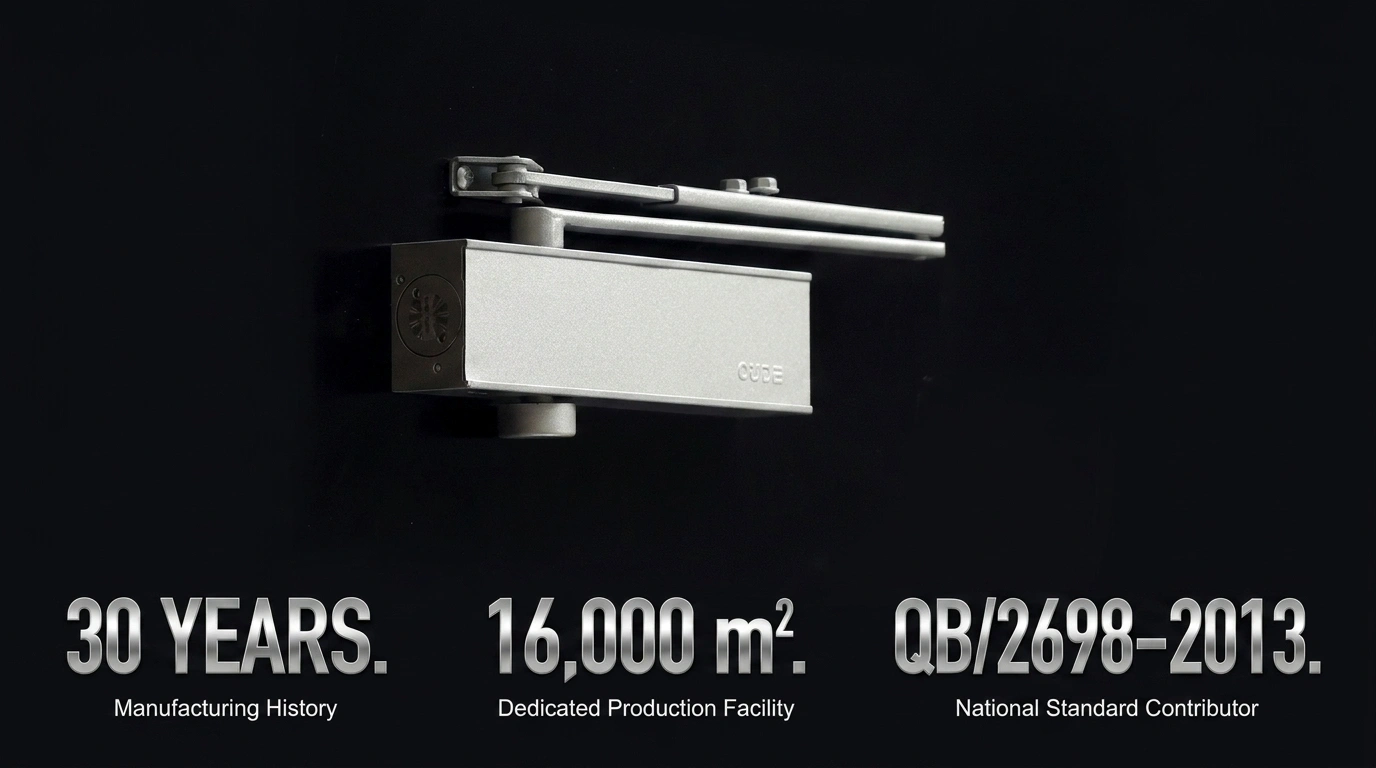
A correct door coordinator vs door closer setup helps ensure safety compliance. Commercial door hardware demands precision engineering and certified manufacturing. OUDE offers exactly these features.
OUDE products pass strict EN 1154, ANSI A156.4, and UL 10C standards. The ISO 9001-certified factory utilizes multi-station machining centers for precise production. They serve global export markets while adhering to standard operating procedures.
Contact OUDE today to explore solutions for professional door closer maintenance, manufacturing, and specification support. OUDE is ready to supply compliant door control systems for your business.




 English
  Spanish
  French
  Arabic
  German
  Portuguese