
Energy loss in commercial buildings does not always begin with the heating and cooling system. The doors in buildings are used throughout the course of a day, and it is not always easy for doors to remain closed as expected.
When this happens, air circulation is allowed between areas without any means of regulation. This makes it difficult to regulate the internal temperature in buildings and forces heating and cooling systems to continue making adjustments. This is something that will eventually accumulate without being recognized. The door closers will address this issue in ways that people cannot. They will make sure that the door is closed and latched at all times.
Air inside a building behaves in predictable ways. Warm air rises, cooler air settles, and pressure differences form between levels. That movement creates a pull effect. Air enters through lower openings and escapes through higher ones, which makes energy efficient door hardware important for maintaining separation between spaces.
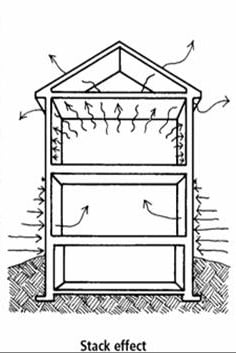
Doors become one of the easiest paths for that airflow. Every time a door stays open, even briefly, the building loses some control over its internal environment.
| Condition | Impact on HVAC System |
| Door left open | Continuous air exchange and higher demand |
| Door partially closed | Fluctuating temperature levels |
| Door consistently closed | More stable system operation |
This is where HVAC efficiency building hardware starts to matter. A door closer does not fix the HVAC system. It helps protect it. When doors close the same way every time, the system has a chance to maintain steady conditions instead of constantly reacting.
A door that looks “almost closed” can still cause problems. That small opening allows air to move back and forth throughout the day. In high-traffic areas, that movement happens again and again.
| Door Condition | Energy Impact |
| Fully closed and latched | Lower air exchange |
| Occasionally left open | Intermittent temperature changes |
| Frequently left ajar | Ongoing energy loss |
The impact builds slowly. You usually notice it over time, not in a single moment. But across multiple doors and repeated use, it becomes noticeable. That is where door closer energy savings comes into play. It is not about one door. It is about consistency across the entire building.
Door closers do not create an airtight seal. What they do is simpler and more important. They make sure the door returns to the position it was designed for: fully closed and latched.
Backcheck helps manage the opening side of the movement. It slows the door when it swings open too quickly. That keeps the hardware in better condition over time.
Delayed action changes how long the door stays open. It allows a short pause, then brings the door back to a closed position. This is useful in spaces where people need a moment to pass through.
These features do not control temperature directly. They support consistent movement. When doors move the same way every time, everything around them becomes easier to manage.
Air pressure inside a building can work against the door. In taller structures, this becomes more noticeable. A door may reach the frame but still fail to latch.
A properly sized closer helps the door:
That final step often gets overlooked, but it affects how the door actually performs.
That final step often gets overlooked, but it affects how the door actually performs. A door that does not latch is still open in a practical sense. Air continues to move through the space. In busy environments, this often goes unnoticed. That is why automatic door closers for schools and similar buildings are widely used. They remove the guesswork from daily use.
Not every closer performs the same way. Selection plays a big role in long-term results.
For sustainability-focused buildings, consider:
These factors affect how the door behaves over time. A closer that matches the door properly will require fewer adjustments and provide more consistent results.
Door closers also support broader efforts tied to sustainable building materials and efficient building operation. They may seem like a small component, but they influence how well different parts of the building work together. When doors close properly, systems do not have to compensate as often. That creates a more balanced environment overall.

Energy efficiency often comes down to control. Not just system control, but everyday control over airflow and movement. Doors that do not close or latch introduce small gaps that repeat throughout the day.
If your doors do not close and latch the same way on every attempt, that inconsistency can point to a deeper issue. It may be wear, sizing, or simply the wrong type of closer for the space.
OUDE precision door closers, as part of energy efficient door hardware, focus on one thing: consistent performance. When the door closes the same way each time, the rest of the system has a better chance to do its job.
Try a quick check. Open the door, let it close, and watch the result. Do it again. Then once more. If the outcome changes, there is something worth looking into. Small differences like that tend to reflect larger patterns across the building.




 English
  Spanish
  French
  Arabic
  German
  Portuguese