
Choosing the right door closer material is one of the most important decisions for commercial building owners, contractors, and hardware distributors. With safety regulations tightening and performance demands increasing, buyers often compare aluminium vs steel door closers to determine which option delivers long-term value.
Both materials are widely used in office buildings, residential projects, hospitality facilities, and industrial complexes. However, they offer very different advantages in terms of cost, durability, corrosion resistance, and overall performance. This guide breaks down everything you need to know, helping you make an informed specification or purchasing decision.
Understanding how these two materials compare allows buyers to choose the best closer based on application, budget, and long-term maintenance needs.
Why it matters:
Weight directly affects installation time, door balance, and long-term operational stability.
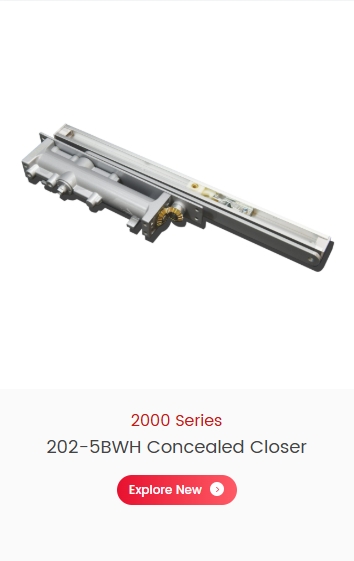
Before choosing between aluminium and steel, it’s important to understand what makes aluminium door closers a popular choice for many commercial projects. Aluminium models are widely used due to their balance of affordability, ease of installation, and clean appearance, making them ideal for environments where consistent performance and cost-efficiency matter. Below are the key aluminium door closer advantages that buyers and installers often consider.
One of the biggest aluminium door closer advantages is ease of handling. Aluminium bodies reduce strain on hinges and allow smoother door movements, especially on interior wooden or aluminium doors.
Aluminium naturally resists rust, making it ideal for indoor applications or environments without exposure to harsh chemicals, humidity, or salt air.
For buyers comparing the cost comparison of aluminium steel door closers, aluminium models usually fall into the more budget-friendly range. They offer reliable daily performance without the premium cost associated with heavier steel closers.
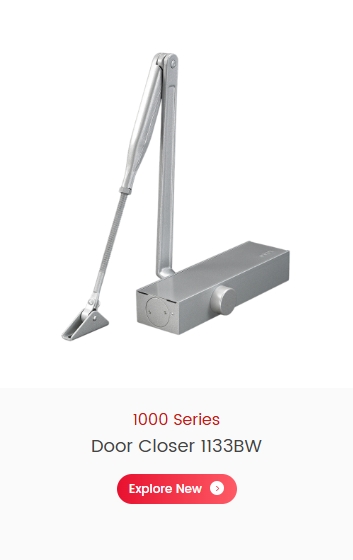
While aluminium door closers are known for their practicality and affordability, steel door closers are chosen when strength, reliability, and long-term performance are the priority. In heavy-traffic environments or buildings with strict safety requirements, steel closers offer a level of durability that aluminium simply cannot match. Their robust construction ensures stable door control, resistance to force, and consistent operation even under demanding conditions. Below are the main reasons steel remains the preferred material for high-performance door closers.
When it comes to steel door closer durability, steel clearly outperforms aluminium.
It withstands stronger door forces, abuse, and frequent openings, making it the preferred choice in demanding environments.
Steel door closers are commonly installed on:
Their structural strength ensures long-term performance even under heavy use.
Steel door closers provide better resistance against forced entry attempts compared to lightweight aluminium. This makes them suitable for buildings where security and compliance standards are strict.
When comparing the cost comparison of aluminium steel door closers, several factors must be considered:
Aluminium door closers offer a lower upfront cost, while steel door closers reduce long-term replacement costs in heavy-use environments. The right choice ultimately depends on foot traffic and durability expectations.
Use this quick comparison to decide the best option for your project:
| Feature / Performance | Aluminium | Steel |
| Durability | Moderate | Excellent |
| Corrosion Resistance | High | Moderate |
| Cost | More affordable | Higher |
| Weight | Light | Heavy |
| Maintenance | Low | Low to moderate |
| Best Use | Medium traffic | High traffic |
The comparison between aluminium vs steel door closer options highlights a clear trade-off between cost, strength, and application suitability. Aluminium works well for standard commercial interiors, providing an affordable and lightweight solution. Steel, on the other hand, delivers unmatched durability and stability for high-traffic or mission-critical door systems.
By understanding these differences, contractors, builders, and distributors can make informed decisions that ensure smoother door operation, compliance, and long-term value.
If you’re looking for reliable, high-quality door closers from a proven manufacturer, OUDE offers a full range of aluminium and heavy-duty door closer solutions designed for commercial performance. Explore OUDE’s door closer series or contact their team for OEM/ODM support tailored to your project requirements.
Q1: Which is more durable: aluminium or steel door closers?
A1: Steel door closers are significantly more durable and suitable for high-traffic environments.
Q2: Are aluminium door closers good for exterior doors?
A2: They can be used outdoors, but steel is better for heavy doors or areas exposed to harsh weather.
Q3: Are steel door closers more expensive to maintain?
A3: Not necessarily. While steel closers cost more upfront, they often reduce long-term replacement costs.
Q4: Which material is best for fire-rated doors?
A4: Steel is usually preferred due to its strength and compliance with safety standards.
Q5: Which one is more cost-effective overall?
A5: Aluminium is more cost-effective for medium-traffic projects, while steel offers better lifetime value in high-use areas.









 English
  Spanish
  French
  Arabic
  German
  Portuguese