
In a commercial or industrial establishment, compliance is a requirement for safety. Many project managers mistakenly prioritize aesthetics over compliant door hardware. So, when fire breaks out, a door hardware failure can turn a protective barrier into a liability.
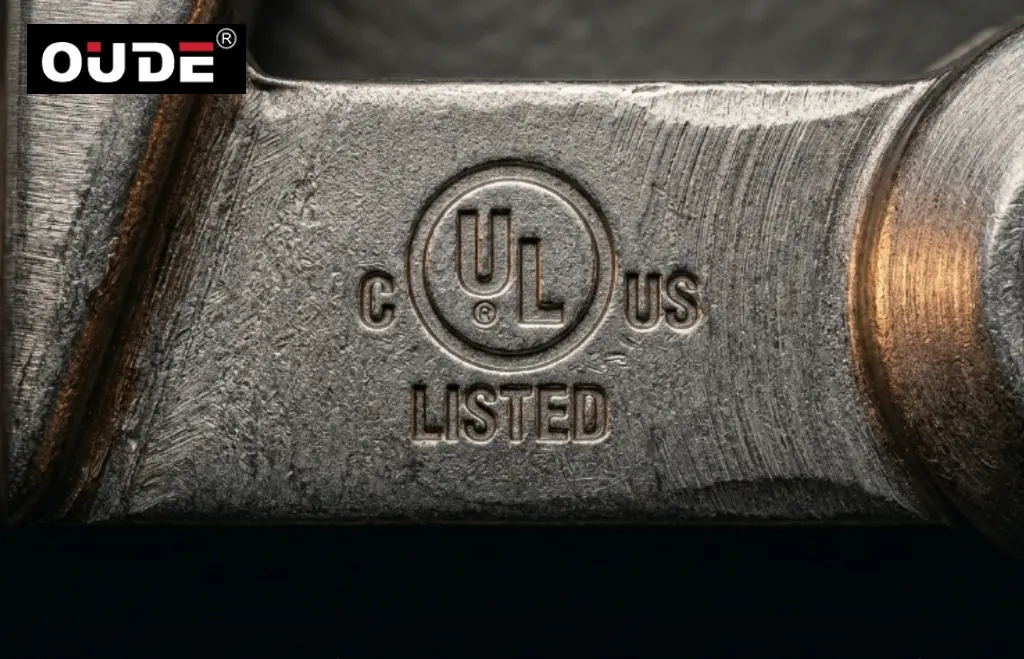
Selecting the correct door closer UL-certified model is a critical decision in life safety engineering. Without a verified UL mark, it means that the hardware has not been tested and certified according to safety standards.
The UL mark represents the gold standard in global safety and provides engineers with documented assurance. This means that the device will perform under the most extreme thermal and mechanical stresses.
This article will help you understand the different UL ratings and how to choose the right door hardware.
When you’re choosing hardware like locks, closers, or exit bars (panic bars), the UL rating tells you how that hardware will behave in an emergency.
When choosing fire rated hardware, it is important to determine the differences between the UL ratings:

The UL 10B standard is the industry baseline. When performing this test, the “neutral pressure plane” is located at the very top of the door assembly. This means that there is no significant pressure pushing hot gases against the seals on the door surface.
While it confirms that it will help in fire resistance, it does not fully simulate the atmospheric changes inside a burning room.
Modern building code compliance now strictly requires UL10C rating. This “Positive Pressure” test moves the neutral plane lower (usually at 40 inches above the floor). As a result, the upper two-thirds of the door are subjected to outward pressure. This forces hot gases and flames directly into the door-to-frame gap.
A UL10C-rated door closer must keep the door firmly latched and structural under intense pressure. This ensures the door remains a functional barrier. It also prevents the “chimney effect,” which is the spreading of fire through corridors.
| Feature | UL 10B (Neutral Pressure) | UL 10C (Positive Pressure) |
| Pressure Plane | At the top of the door frame | 40 inches from the bottom |
| Atmospheric Simulation | Minimal air movement simulation | Simulates intense upward/outward heat flow |
| Current Code Status | Phasing out in modern jurisdictions | Required for most commercial IBC compliance |
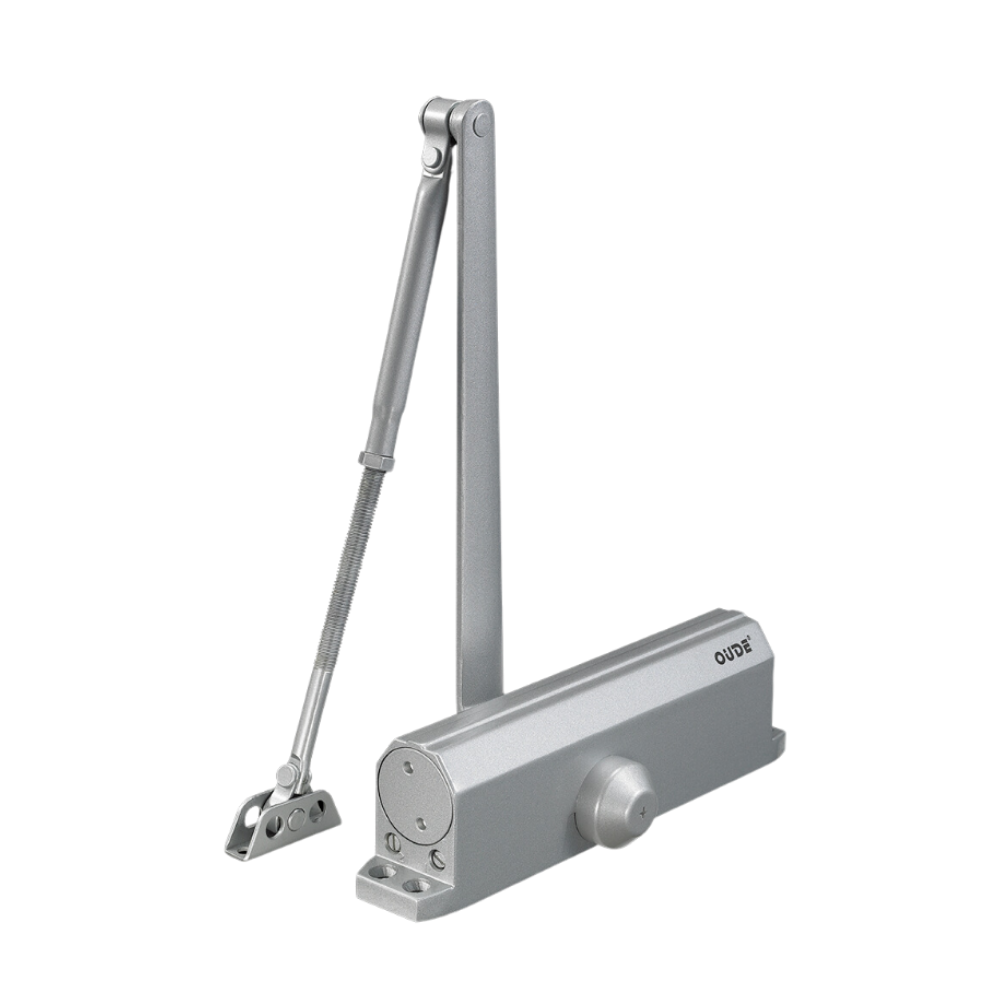
When you specify a door closer UL rating for fire, you must match the hardware to the door’s hourly rating. These ratings (20, 90, and 180 minutes) represent the duration the hardware was exposed to a standardized temperature curve. They may reach up to 1,925°F (1,052°C) in a 3-hour test without failing.
Using a 20-minute rated closer on a 3-hour rated door is a violation of building code compliance and compromises the entire fire barrier. Always match the hardware stamp to the door label.
A fire rating tells you if a closer will survive a fire. But, cycle testing tells you if it will survive the next five years of daily use. Under UL standards, door closers are also categorized by their mechanical endurance:
A Grade 1 door closer UL certified ensures that the internal valves and springs will not fail prematurely. If a closer leaks hydraulic fluid or loses its closing force due to wear, it cannot properly latch the door during a fire. This is a hindrance to its fire safety role.
Understanding UL ratings helps engineers and buyers adhere to strict compliance measures instead of cost-cutting measures.
Engineers and buyers must ensure full building code compliance by following these guidelines:
By understanding these UL ratings, you protect both the building’s occupants and the long-term integrity of the architectural project.









 English
  Spanish
  French
  Arabic
  German
  Portuguese