
An ideal door closer on hotel doors should be able to shut doors securely while reducing noise. These devices not only help minimize fires from spreading through hotel corridors. They also help close doors more slowly.
Hotel corridors require heavy fire doors to prevent smoke spread. However, slamming doors cause significant noise disruptions for hotel guests. The physical damage plus guest dissatisfaction can cause a financial loss for the business. Having properly installed hotel door closers can solve these issues.
Hardware must latch securely without creating a loud physical impact. A door closer utilizes specialized hydraulic mechanics that keeps door noise low. This ensures guests have a quiet stay while the building remains safety-compliant.
Door closers work by using a hydraulic mechanism to store energy when you open the door. When you close it, this energy gets released, causing the door to slow down. Hotels have different door usage scenarios, such as for guest rooms, corridors, and fire doors. The utilization of door closers can vary for each one.
For example, guest rooms are quiet environments. Loud noises may render customers unable to sleep or relax. This experience can lead to avoidable complaints and negative feedback. A door closer’s soft-close effect can help prevent the occurrence of such events.
Proper door closer selection requires analyzing specific operational parameters. When selecting a door closer, you must evaluate acoustic limits, safety codes, and daily mechanical stress. This evaluation phase prevents costly future maintenance issues.
Acoustic optimization prevents doors from hitting the frame loudly. Mechanical hardware achieves this through precise internal hydraulic control. Key technical features for a low noise commercial door closer include:
Backcheck is another safety feature that slows a door’s opening movement. It activates if a person pushes open the door too hard. A backcheck prevents wall damage and protects internal hardware mechanisms.
Fire-rated doors must remain securely closed to block dangerous flames. Certifications prove the unit can physically contain fire and smoke. A commercial closing mechanism must carry verifiable compliance test ratings.
Top manufacturing facilities test their units to exact safety specifications. These critical safety standards include the following important technical benchmarks:
One study involving a hotel in Amsterdam demonstrated that certified door closers can handle complex pressure from winds in high-rise buildings. These units ensured quiet closing, enhancing aesthetics, guest comfort, and privacy.
Hotel environments typically subject doors to frequent, heavy daily use. This can result in costly repairs. Managers and owners must evaluate the expected daily opening and closing frequency. Doing so can give them an idea of how often to conduct maintenance.
A door closer’s delayed action function gives people time to pass through doors. This feature is helpful in high-traffic areas like hotel corridors. You can consider these features optional but can enhance the guest experience.
However, fire doors prioritize strict fire safety rating compliance. Secure closing should be a requirement. Fast latching is mandatory to help stop smoke and fire from spreading. A strong latch ensures doors lock quickly during emergencies.
Achieving quiet operation requires precise installation and regular mechanical calibration. Installers must secure fasteners and adjust spring tension correctly. Following proper procedures should lead to long-term durability and silent door operation.
Concealed units hide inside the door frame for clean aesthetics. Surface-mounted closers offer easier installation and mechanical adjustment access. Your hardware choice depends largely on the specific door profile parameters.
For example, concealed closers for guest room doors provide a quiet appearance and promote privacy. For corridors, surface-mounted door closers may be more practical.
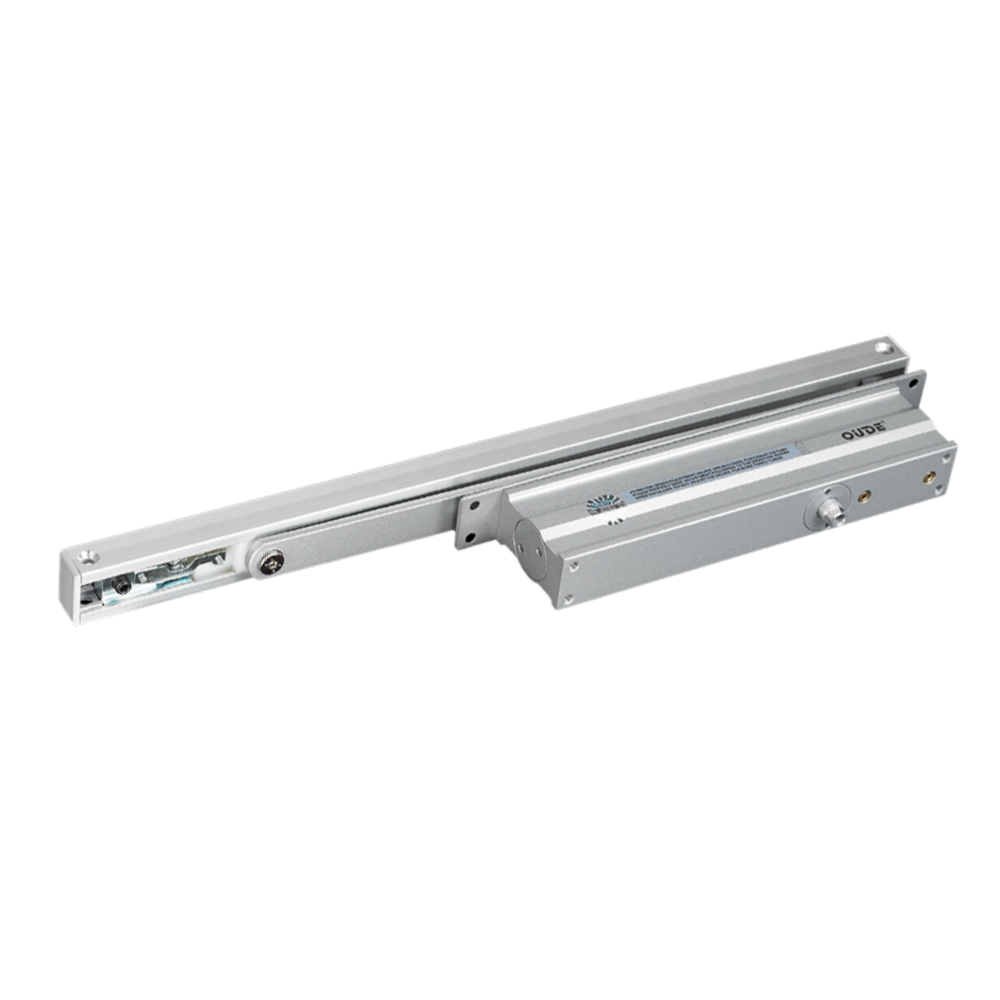
Technicians control mechanical performance via adjustable internal hydraulic hardware. Installers can fine-tune the sweep speed and latch speed through these controls. These precise adjustments often depend on the door type.
For example, turning the sweep speed valve clockwise makes the door swing slower. If you want the corridor door’s closing speed to be fast, turn the latch speed valve counterclockwise.
Additionally, regular monthly visual inspections prevent fluid leaks and maintain performance. Technicians must check the swing and latch speeds every quarter. Immediate professional help is required for any observed operational issues.
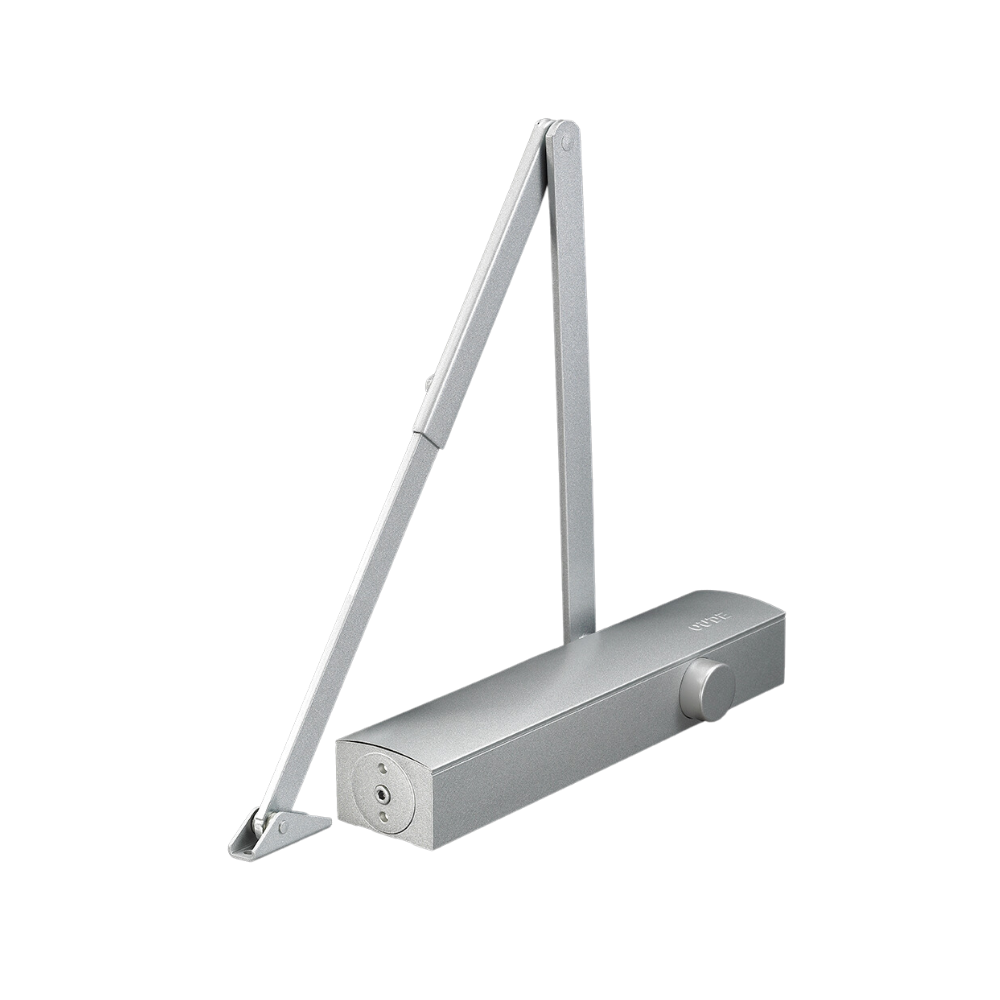
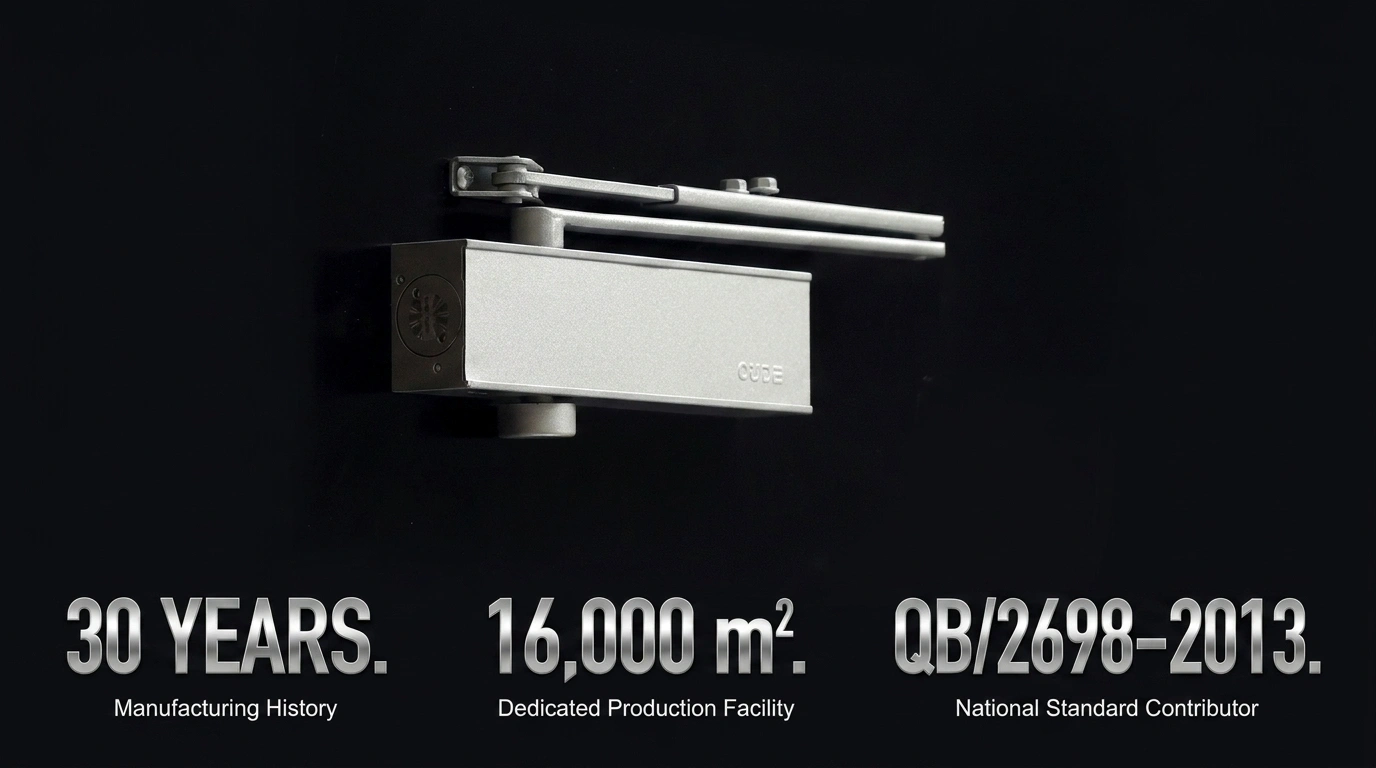
In hotel settings, the priority balances low noise, stable closure, and fire safety compliance. A commercial door closer satisfies these rigorous operational demands effectively. For verified EN1154 certified hardware, consider choosing OUDE door closers for hotels. Their 20 years of expertise have delivered proven, globally compliant mechanical units worldwide.



 English
  Spanish
  French
  Arabic
  German
  Portuguese