
Accessibility in public buildings must not only focus on wider doorways and ramps. A door’s mechanical behavior also brings a significant challenge for people with limited mobility. This is why a delayed action door closerisa crucial hardware component, transforming standard entrances into barrier-free gateways. This allows every individual to navigate easily and with dignity.
Standard self closing door hardware is designed to initiate the closing cycle immediately after the door is released. While efficient for fire safety and climate control, this immediate response can be problematic for those who move slowly. A specialized hydraulic valve is used in a delayed action door closer. It ensures that the door opens at a wide angle for about 20 to 60 seconds before the closing sweep.

Whether you’re a parent bringing a stroller, someone using a wheelchair, or an elderly using a walker, the slight delay reduces physical strain caused by doors closing prematurely. By slowing down the initial stage of the closing cycle, the hardware effectively removes the “rush” and potential for impact.
In high-traffic public buildings, the risk of “door strikes” is a serious liability concern. A door that closes too quickly can catch a user’s mobility aid or, worse, cause a fall. Specifying a handicap door closer with a delayed action feature is a proactive safety measure.
Based on Section 404.2.8 of the Americans with Disabilities Act (ADA), a door’s closing speed must take at least five seconds when moving from the 90-degree open position to a 12-degree position from the latch. The delayed action door closer typically exceeds the minimum requirement. It adds another non-mechanical waiting period at the beginning of the cycle. This is to accommodate the slowest-moving pedestrians to arrive on the ‘strike-side’ of the door before the mechanical sweep begins.
The 5-lb maximum opening force required by the ADA can be difficult for some facility managers to meet, given the need for doors to latch securely against HVAC pressure and wind. This is why they use robust, self closing door hardware: it has adjustable power settings and delayed-action valves.
Installing a delayed action door closer on building doors improves traffic flow. This lets groups pass through seamlessly, reducing congestion at entrances. Furthermore, such closers prevent doors from being propped open with heavy objects, causing possible frame and hinge damage.
A handicap door closer must be rated ANSI/BHMA Grade 1. This ensures that the delayed action valve remains precise over millions of cycles. Investing in delayed action technology is a clear signal to the public that your building prioritizes user experience and safety. Integrating these specialized closers into the facility’s hardware strategy ensures that “public place” is truly open to everyone.
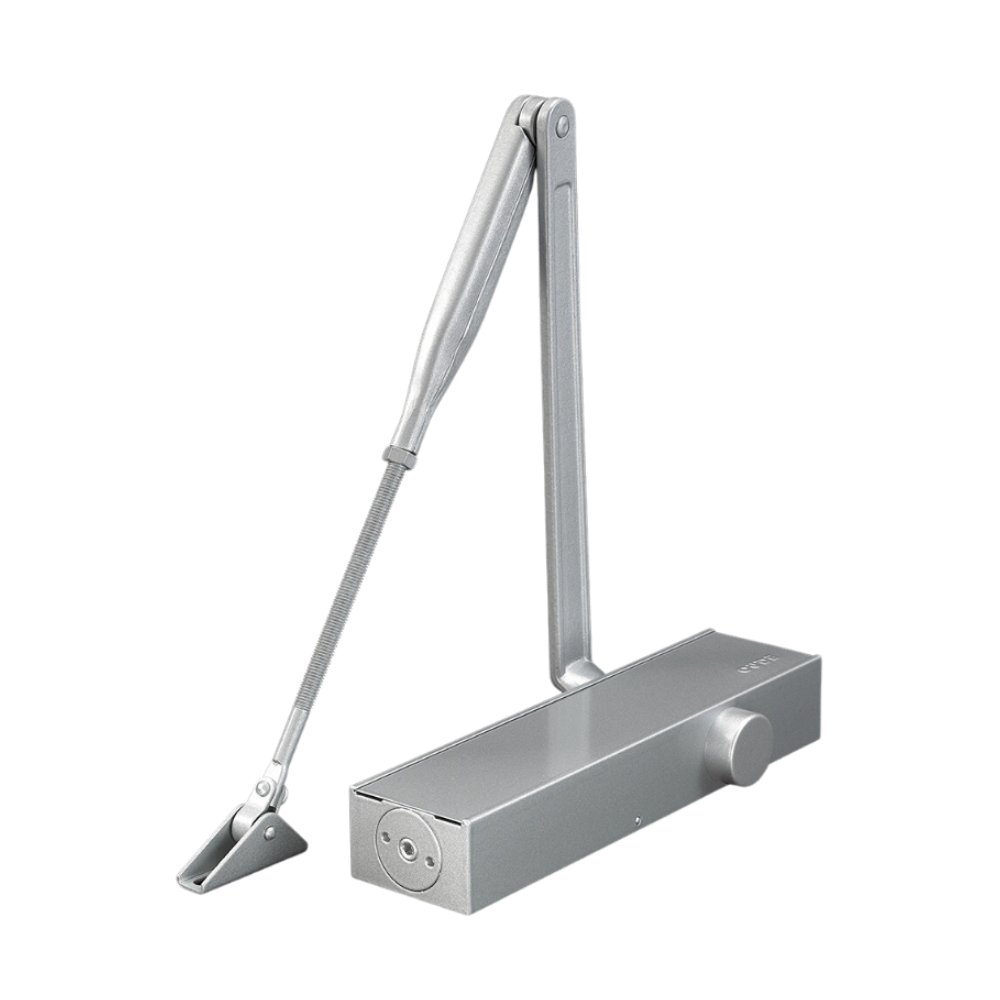
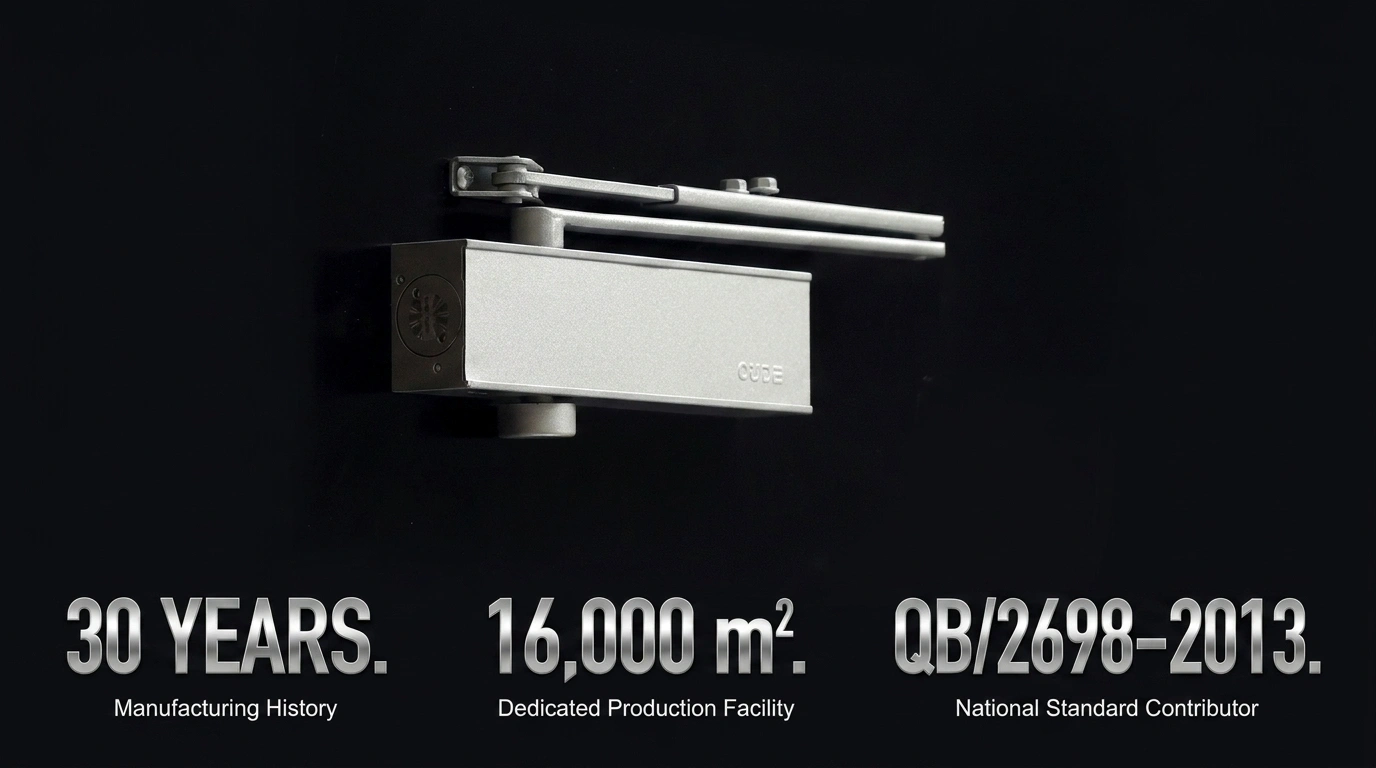
The intricate specifications of a delayed action door closer mean that procuring closers from manufacturers that guarantee quality and compliance is crucial. After all, it’s not only about reducing maintenance costs but also about ensuring safety for every building visitor.




 English
  Spanish
  French
  Arabic
  German
  Portuguese